
The evolution of casinos A journey through time and fortune
The Origins of Gambling
The history of gambling dates back to ancient civilizations, where games of chance were integrated into social activities. Archaeological findings suggest that forms of gambling existed in ancient China around 2300 BC, with the earliest known lottery-style game using tiles. This early fascination with chance led to various betting practices across cultures, highlighting the human propensity to seek fortune. From the Romans, who enjoyed betting on chariot races, to the Chinese, who developed rudimentary games of chance, gambling has always been a reflection of society’s evolving values and interests. Today, you can find some of the best payout online casino options that carry on this legacy of gaming.
As societies grew more structured, so did their forms of gambling. The first official casinos emerged in the 17th century in Italy, with places like The Ridotto in Venice, where wealthy patrons gathered for card games. This establishment marked a significant transition in gambling, as it became more organized and regulated. The allure of these venues drew not just the elite, but also common citizens, creating a blend of social classes in pursuit of fortune. The popularity of these early casinos laid the groundwork for future gambling establishments, reshaping the landscape of recreational activities.
By the 18th century, gambling had become a staple of European social life, with casinos flourishing across France and beyond. The games evolved alongside societal changes, leading to the creation of iconic games such as roulette and blackjack. The expansion of gambling activities mirrored the growth of urban centers, where nightlife and entertainment became essential parts of the cultural fabric. This period marked the beginning of a long relationship between society and gambling that would continue to evolve over centuries.
The Rise of the Modern Casino
The 19th century heralded a new era for casinos, particularly with the establishment of Monte Carlo as a premier gambling destination. The Casino de Monte-Carlo, opened in 1863, became synonymous with luxury and high stakes. It attracted the affluent elite from around the world, solidifying the casino’s status as a symbol of wealth and opulence. This period also saw the emergence of gaming regulations, as governments began to recognize the economic potential of gambling, leading to the establishment of more licensed casinos.
In the United States, the Gold Rush and the subsequent expansion into the West catalyzed the growth of gambling establishments. Places like Las Vegas, which began as a small railroad town, transformed into the gambling capital of the world by the mid-20th century. The legalization of gambling in Nevada in 1931 paved the way for a flourishing industry, attracting tourists and fostering a unique culture centered around entertainment and gaming. The glitz and glamour of Las Vegas casinos represented a significant shift in the gambling experience, focusing on lavish shows and themed environments.
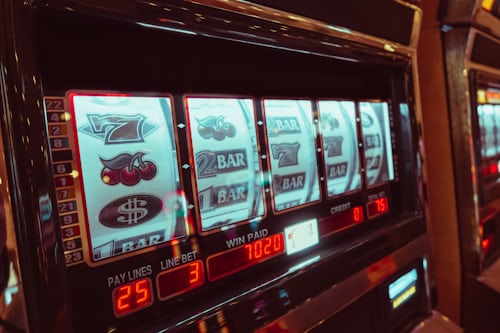
The technological advancements of the late 20th century further revolutionized the casino industry. The introduction of electronic gaming machines, including slot machines, attracted a broader audience by providing easy and accessible forms of gambling. This shift allowed casinos to diversify their offerings, appealing to both serious gamblers and casual players. The modern casino experience became more than just about gambling; it evolved into a multifaceted entertainment venue, incorporating fine dining, shopping, and nightlife, thereby enhancing its appeal to a wider demographic.
The Digital Transformation
The late 1990s and early 2000s marked a seismic shift in the casino landscape with the advent of online gambling. The emergence of the internet allowed casinos to transition from traditional brick-and-mortar establishments to virtual platforms, providing a new realm of accessibility for players. Online casinos quickly gained popularity, as they offered a convenient alternative to visiting physical locations. Players could enjoy a variety of games from the comfort of their own homes, revolutionizing the way people engage with gambling.
As technology continued to advance, online casinos began to incorporate live dealer games, virtual reality, and mobile gaming into their platforms. This evolution not only enhanced user experience but also opened up new markets globally. Players from various backgrounds could participate in gaming activities regardless of their geographical location. The rise of mobile gambling apps transformed the industry, allowing users to play anytime, anywhere, thus catering to an increasingly tech-savvy generation.
Moreover, the digital transformation also raised concerns regarding regulation, security, and responsible gambling. Governments and regulatory bodies began to establish frameworks to ensure fair play and protect consumers in the online space. This evolving landscape created opportunities for reputable online casinos that prioritize player safety and transparency, further shaping the industry’s future. As online gambling continues to grow, traditional casinos are adapting to the digital age by integrating online features into their operations to remain competitive.
The Globalization of Casino Culture
Today, the casino industry is a global phenomenon, with establishments ranging from lavish resorts in Macau to upscale venues in Singapore. The globalization of casino culture reflects broader economic trends and changing consumer preferences. Countries around the world have recognized the potential of legalized gambling as a means to boost tourism and generate revenue. This has resulted in a proliferation of new casinos in various regions, each bringing unique cultural elements into the gaming experience.
Additionally, international gaming conventions and expos have become common, facilitating knowledge exchange and innovation within the industry. These events gather casino operators, game developers, and regulators to discuss emerging trends and technologies. The collaboration between different regions has led to the cross-pollination of ideas, shaping the future of gaming and the casino experience. The appeal of themed casinos, which incorporate local culture, has become a trend, enriching the gambling experience for visitors.
The growth of online gambling has also influenced global casino culture, as digital platforms attract a diverse range of players. The fusion of traditional gaming practices with modern technology has created a unique environment where players can engage in both physical and online experiences. As the industry continues to expand and adapt, understanding these cultural dynamics will be key to the sustainable growth of the casino sector worldwide.

Discovering the Future of Gaming
As we journey through the evolution of casinos, it becomes clear that the industry is continuously evolving to meet the changing demands of players. With the rise of innovative technologies such as blockchain and augmented reality, the future of gaming holds exciting possibilities. These advancements promise to enhance transparency, security, and user engagement, shaping a new era for casinos. Operators are investing heavily in research and development to ensure they remain at the forefront of this evolving landscape.
The shift towards responsible gambling practices is also becoming a focal point for the industry. As more players engage with gaming in various formats, understanding the implications of gambling becomes crucial. Many casinos are implementing measures to promote responsible play, including self-exclusion options and educational resources. This proactive approach not only protects players but also enhances the reputation of the casino industry as a whole.
Ultimately, as the world of casinos continues to evolve, players will benefit from an increasingly diverse and enriched gaming experience. Whether one prefers the traditional ambiance of a physical casino or the convenience of online platforms, the journey through time and fortune reveals a vibrant and dynamic industry that reflects our changing world. With advancements on the horizon, players can look forward to a future filled with innovation and excitement in their gambling experiences.
